100 Grannies book donation to ICCSD for 2026

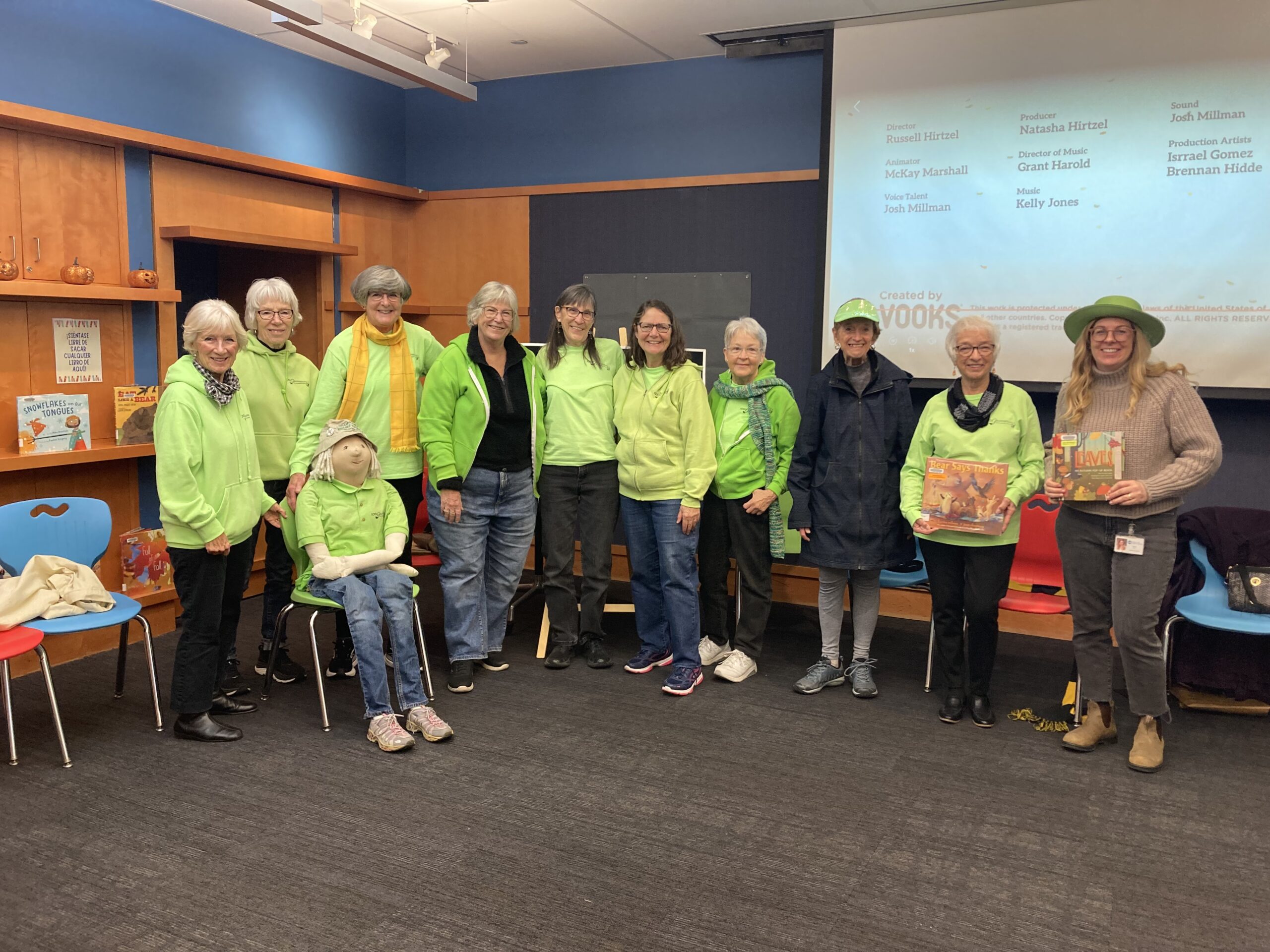
Each year since 2015 the 100Grannies have been donating books to the Iowa City Consolidated School District. The teachers and librarians at the schools make the book selection and 100Grannies funds their choices.  The books selected for 2026 are shown below.  The Grannies presented the books to the teachers on Tuesday, May 19 at 3:30 pm at Longfellow School.

High schools:

How to Survive the End of the World: A Graphic Exploration of How to (Maybe) Avoid Extinction, by Katy Doughty (4)

In a full-color debut, a graphic novelist takes an engrossing, gleefully existential deep dive into the many ways that humanity could—and almost did—meet its end.

Since 99.9 percent of all species that have lived are extinct, it’s bound to be our turn eventually, right? So, what’s most likely to kill us? A well-timed asteroid? Some new robot overlords? With wit and dry humor, debut graphic novelist Katy Doughty blends science and history to explore our chances of surviving disasters such as plagues, global warming, and alien invasion. Drawing on interviews with experts in fields like infectious diseases, AI, and interplanetary exploration, she combines cutting-edge research with compelling visuals: mugshots of the deadliest microbes, graphs of the winners and losers of mass extinction events, and a whole lot of dinosaur drawings. For apocalypse aficionados, the morbidly curious, and the just plain curious, this is your antidote to existential dread—a timely, imaginative, and ultimately hopeful take on humankind’s ability to survive the odds.


Middle Schools:

 A Better World Is Possible: Global Youth Confront the Climate Crisis, by Meera Subramanian (3)

A Better World Is Possible is a comprehensive and graphic novel guide on climate change and what you can do about it.

As climate change quickens―bringing with it extreme weather, biodiversity loss, and humanitarian crises―four teens help organize the world’s largest climate protest. Hundreds of thousands join them, taking to the streets of New York City and demanding answers. How did climate change get this bad? Who’s to blame? And most importantly: What can we do about it?

In their stunning graphic novel, New York Times best-selling illustrator Danica Novgorodoff and award-winning environmental journalist Meera Subramanian share experiences from their lives and those of the four youth activists. Through their stories, we learn the science behind our changing planet and explore solutions at hand. They show us that anyone can make meaningful change, because a better world is possible―and together, we can create it!


Elementary Schools:

 I’m a Cloud, by Tjitske Kamphuis (7)

Follow along as this friendly cloud shows you all the different ways they change throughout the days and seasons. From a fluffy cumulus to a wispy cirrus, pouring rain or pink under the light of the sunset―mesmerizing art perfectly captures the ways clouds are constantly transforming all around us, and helps readers learn the names of these distinct cloud types.
Spare, yet informative, text makes I’m a Cloud the perfect primer for introducing little ones to the beauty of the natural world. Be prepared to want to go cloud gazing after this gorgeous read!


The Colors of Nature, by Catherine Barr (9)

Boldly illustrated and filled with fun nature facts, this nonfiction picture book invites readers to explore the dazzling colors of our world.

Uncover the wonders of nature with this spectacular exploration of the colors of our world by expert conservation author Catherine Barr and incredible illustrator Chaaya Prabhat.

Did you know that some lizards have poisonous lime green blood and bones? Or that octopuses flush red when angry? Or that tigers actually look green to deer?

With a different color from the rainbow revealed on every page, this gorgeous book is a feast for the eyes! Whether they love brilliant blue, fiery orange, or earthy brown, young readers will delight in this vivid celebration of color.


Leave the Trees, Please, by Benjamin Zephaniah  (1)

A gorgeously illustrated picture book that celebrates our connections to nature and to each other while empowering young readers to help protect the earth, from a beloved British poet, musician, actor, and activist.

In this powerful love letter to nature, a child who befriends a tree grows up and fights to protect it. With its spare, lyrical text; sumptuous illustrations; and back matter about trees, oxygen, and the carbon cycle, this inviting, inspiring call to save our planet is perfect for Earth Day, and every day.


Prunella, by Beth Ferry (1)

From New York Times bestselling author Beth Ferry comes a fantastical and unforgettable picture book about an unusual girl whose purple thumb helps her cultivate a truly macabre garden.

When Prunella is born with a purple thumb instead of a green one like her parents, everyone’s stumped. What could it mean? Before long, they find out. Prunella prefers corpse flowers to carnations, fungi to ferns, and poison ivy to petunias. The stickier and scarier the plant, the more Prunella loves it.

And if her poisonous and noxious garden keeps the other neighborhood kids away, it’s probably for the best. But then one day, a curious weed of a different sort pops up…

Should prickly Prunella uproot this tentative new friendship or allow it to flower?


When You Find the Right Rock, by Mary Lyn Ray (3)

A marvelous exploration of the special relationship children find with the natural world and the fascination and friendship they find in special rocks, from poet Mary Lyn Ray and artist Felicita Sala.

Somewhere, a rock is waiting for you. One just the right color for your windowsill, or just the right shape for drawing a face.

Maybe it is a rock from the heart of a mountain that will remind you of how big YOU are inside, too. Maybe it is a rock washed by the sea that knows all about the backs and forths and ups and downs of things. Maybe it is a small rock, just the right size to close your hand around and know that the rock is with you and it is just right.

Through vibrant illustration and evocative text, When You Find the Right Rock carries readers along on a journey of discovery, from the mountains to the sea, that’s all about learning the beauty of being in the moment, connecting with nature, and the thrill of finding a precious keepsake to call your own.

 

Posted in Education | Comments Off on 100 Grannies book donation to ICCSD for 2026

Little Village Newspaper publishes 100Grannies LTE


Little Village is a free newspaper widely available throughout the Johnson County area. On May 12, 2026, Little Village published a letter to the editor written by Becky R., a 100Grannies Steering Committee member, titled “After 15 years, 100Grannies is still fighting for our grandchildren’s future”.  The original, with photos, is linked here.  The letter told how Becky became involved in 100Grannies from its beginning and why working for a sustainable future is so important.  It concluded with…

“We now have 140+ grannies working relentlessly year-round. Our motto is “Educate, Advocate, and Agitate.” Our mission is to educate, advocate, and agitate for renewable energy, pure water, clean air, and a healthy environment for future generations. We donate books to the Iowa City School District and participate in Children’s Story Time at the ICPL. We call or write our state and federal lawmakers often. We sponsor tabling events and talk to people about various environmental issues. One of our current concerns is how unhealthy plastic is for us and how we can use less of it. We hold monthly meetings and make plans for speakers and films on water quality, CAFOs, plastic pollution, recycling, and any other subject we want people to be aware of. If you are a woman who would like to get involved, please join us at our monthly meetings, usually the fourth Tuesday of the month at the Coralville Public Library. Please visit our website 100Grannies.org or reach out to us at 100GranniesIowaCity@gmail.com.”

Posted in Activism, Steering Committee | Comments Off on Little Village Newspaper publishes 100Grannies LTE

Get-together to sew reusable cloth grocery bags

Grannies gathered on April 22, 2026 to sew a bunch of reusable cloth grocery bags to give out at HyVee tabling. The gathering was open to experienced sewers, beginner sewers, and even non-sewers who helped by cutting fabric to size and ironing. Several types of  fabric were used including broadcloth and light canvas (old drapes), which saves fabric from landfill as a great bonus benefit. A favorite design for bags with finished edges was shared that can be altered in size and doesn’t require lining.
Ann T., Diane L, and Sally H with stack of completed bags.
Posted in Activism, Bag Committee, Recycling | Comments Off on Get-together to sew reusable cloth grocery bags

Guide to using AI for writing activism


Using Chat GBT Open-Source AI for Writing Activism – Guide compiled by Deb G.

ChatGPT is an AI-powered chatbot created by OpenAI. It’s designed to have natural conversations with users and assist with a wide range of tasks, like answering questions, providing recommendations, explaining concepts, brainstorming ideas, and so on.

You can use ChatGPT for anything from solving problems, writing help, learning something new, or just having a friendly back-and-forth. Chat GPT is free. You do not need to sign up for it, although the website will encourage you to do so for a more in-depth experience. It is not necessary to do so.

Using Chat GBT will make it so much easier to engage in writing activism. And, importantly, you can use this tool to ramp-up your writing activism by sending many letters or email a week. You can also use it to compose letters to editors (LTEs) or even Op-Ed pieces for news outlets. Here’s how to use Chat GPT:

Instructions:

  1. Choose an issue you would like to weigh in on.

For example, let’s say you have just read an article on Iowa’s water pollution on the Seirra Club, Iowa Chapter website. You learn that:


  • the Iowa Department of Natural Resources(DNR) has an updated list of impaired Iowa waterways that the “2024 draft list has 576 impaired water bodies, with 743 impairments.”
  • “Iowa still has not fully implemented the provisions of the Clean Water Act (signed into law more than 40 years ago), and, therefore, is out of compliance.”
  • “A number of Iowa communities remain unsewered, resulting in pollution entering Iowa’s water bodies,”
  • and that the Iowa DNR needs to, “implement the pollution reduction measures identified in the Total Maximum Daily Load studies.”
  1. Type ChatGPTinto Google or whatever search engine you use. (https://chatgpt.com/)
  2. In the box below the words, “What can I help with?” make your request. For example, you might type the following in the box :

Write a letter to Iowa Senator Kevin Alons urging him to take action on fully implementing Iowa’s Clean Water Act. Tell him that I am highly concerned to learn that: Iowa DNR lists 576 impaired waterways in the state, that there continues to be a number of Iowa communities that are unsewered, and that the state has yet to implement the pollution reduction measures identified in the Total Maximum Daily Load studies.

  1. Then click on the arrow pointing upward in the lower right-hand side of the box. Your letter will be composed in a matter of seconds.
  2. You may (or may not) then decide to edit the letter by adding or deleting information, elaborating on a particular point you would like to emphasize, and so on.
  3. You can copy your letter on an email, Word document, or hand write it.
  4. You can use submission links on the Writing Tool Kiton the Grannies’ website (upper right-hand side of the home page) to make it easier to send your letter. That way, you don’t need to spend needless time looking up addresses yourself!
  5. ENJOY THE SENSE OF ACCOMPLISHMENT OF GETTING YOUR GRANNY ACTIVIST VOICE OUT THERE OFTEN AND ALL OVER THE PLACE!

https://indivisible.org/resource-library/how-write-letters-editor

Posted in Activism | Comments Off on Guide to using AI for writing activism

Guide to anti-CAFO activism

CAFOs are Concentrated Animal Feeding Operations and they are stinky, dangerous polluters, and ubiquitous in Iowa. Below are suggested guides to anti-CAFO activism compiled by Deb G.

The Problem with CAFOs  As we Grannies are excruciatingly aware, animal agriculture is a wrecking ball for the environment, and strong scientific evidence indicates that these effects are seriously underestimated. In summary, animal agriculture causes massive environmental damage by:

  • Emitting powerful greenhouse gasses Carbon dioxide (CO2), Methane (CH4), and Nitrous oxide (N2O)
  • Massive amounts of animal waste products that pollute and poison land and water
  • Nutrient runoff
  • Soil erosion
  • Water depletion
  • Deforestation
  • Water and air pollution

We are also highly alarmed by Iowa’s rising cancer rates, other serious health effects linked to animal agriculture, and the Goliath-like economic/political power of Iowa’s agribusiness sector.

An Empowering Solution The reason CAFOs exist is really very straightforward – they exist because we sustain their owners’ profits by purchasing their products (meat, eggs, dairy). More to the point, by buying meat, dairy, and eggs, we are actively participating in the environmental damage agri-business causes. But let’s frame this situation in more empowering terms – if everyone refused to purchase these products, CAFOs would vanish from our land in a short period of time. But enlisting everyone’s cooperation is not essential. While there’s no exact number, estimates suggest that if around 20-30% of the population in a country like the U.S. or European nations shifted to a vegan diet, it could create a significant economic impact. This would lead to a decrease in demand for meat and dairy, causing financial strain in the industry. A shift of 50% or more could potentially lead to the economic collapse of parts of the industry, especially in regions that are heavily reliant on animal-based agriculture.

In other words, we can choose to make these businesses unstainable by withholding our dollars from them. Eliminating or markedly shrinking animal agriculture would have a dramatic impact on curbing climate change while making it possible to feed the world on only one fourth of the land now used to support animal agriculture. We can each make a tangible contribution by changing to a plant-based diet. Doing so means you are taking a decisive stand for the planet with every meal or snack you have. Please view the following documentaries for more in-depth information:

Documentaries on the Environmental Impact of Food   Eating Our Way to Extinction

Directed by Otto and Ludo Brockway and narrated by actor Kate Winslet, 2021’s Eating Our Way to Extinction is exactly what the title says it’s going to be. Accompanied by awe-inspiring cinematography, the film intends to be an eye-opening warning of what will happen to us and the planet if nothing changes with the food system soon. It features leading environmental experts, scientists, and global figures alongside powerful appearances and first-hand accounts from indigenous people.

Also View on:Amazon Prime, Roku ChannelTubi TV, Apple TV, Peacock Premium

Seaspiracy (Netflix)

Seaspiracy is a 2021 documentary film about the environments impact of fishing. The film examines human impacts on the oceans and marine life, including plastic pollution, ghost nets, overfishing, asserting that commercial fisheries are the key driver of the destruction of ocean ecosystems.

CowspiracyCowspiracy: The Sustainability Secret is a 2014 American documentary film produced and directed by Kip Andersen and Keegan Kuhn. The film explores the impact of animal agriculture on the environment—examining such environmental concerns as climate change, water use, deforestation, and ocean dead zones—and investigates the policies of several environmental organizations on the issue.

Also View on:

YouTube

Amazon Prime

Maybe you find this kind of direct climate activism daunting because it raises so many questions that leave you flummoxed — even if you would like to move in the direction of a more plant-based way of eating. These questions range from important considerations about your health on a plant-based diet to purely practical how-to’s (What to eat, recipes, meal plans, and so on). The following resources (books, videos, podcasts, and websites address these questions.

To Your Health!

Here’s the very good news about Whole Food Plant-based (WFPB) eating – you will actually improve your health. The American Dietetic Association’s official position statement on this dietary approach reads as follows:

It is the position of the American Dietetic Association that appropriately planned vegetarian diets, including total vegetarian or vegan diets, are healthful, nutritionally adequate, and may provide health benefits in the prevention and treatment of certain diseases. Well-planned vegetarian diets are appropriate for individuals during all stages of the life cycle, including pregnancy, lactation, infancy, childhood, and adolescence, and for athletes.

And this is backed with conclusive scientific evidence:

A whole food plant-based (WFPB) diet, which emphasizes unprocessed or minimally processed plant foods and excludes animal products, offers numerous health benefits. These advantages can be particularly compelling when considering long-term health outcomes. Here are some key benefits of adopting a whole food plant-based diet:

  1. Improved Heart Health
  • Lower Risk of Heart Disease: Studies have shown that a WFPB diet can help lower cholesterol, blood pressure, and inflammation, all of which are key contributors to heart disease. The high fiber content, healthy fats (e.g., from nuts and seeds), and antioxidants help protect the cardiovascular system.
  • Reduced Blood Pressure: Plant-based diets are often associated with lower systolic and diastolic blood pressure, partly due to the reduction in saturated fat and increased intake of potassium-rich foods like fruits and vegetables.
  1. Weight Management
  • Natural Weight Loss: Whole plant foods are generally lower in calories and fat compared to animal products, making it easier to maintain a healthy weight. The high fiber content of plant foods also promotes satiety, helping to control hunger.
  • Reduction in Obesity Risk: A WFPB diet is associated with lower body mass index (BMI) and reduced risk of obesity. Since it’s rich in nutrient-dense foods that are naturally low in calories, it encourages fat loss without calorie restriction.
  1. Improved Digestive Health
  • Better Digestion: A high intake of fiber from fruits, vegetables, legumes, and whole grains promotes healthy digestion. Fiber helps maintain regular bowel movements and prevents constipation.
  • Gut Health: A plant-based diet supports a diverse microbiome by providing prebiotics, which are essential for nurturing beneficial gut bacteria.
  1. Reduced Risk of Chronic Diseases
  • Diabetes Management and Prevention: A whole food plant-based diet can help regulate blood sugar levels, improve insulin sensitivity, and lower the risk of type 2 diabetes. The low-glycemic nature of plant foods helps prevent blood sugar spikes.
  • Reduced Cancer Risk: Some studies suggest that plant-based diets may lower the risk of certain types of cancer, such as colorectal and breast cancer, due to the high intake of antioxidants, fiber, and phytonutrients.
  1. Enhanced Longevity
  • Longer Life Expectancy: Research indicates that people who follow plant-based diets tend to live longer, healthier lives, with a reduced risk of premature death due to chronic diseases.
  • Slower Aging Process: The antioxidants found in plant foods, such as vitamin C, vitamin E, and polyphenols, help protect cells from oxidative stress and inflammation, potentially slowing the aging process.
  1. Improved Mental Health
  • Mood and Cognitive Function: A nutrient-dense plant-based diet, rich in vitamins, minerals, and omega-3 fatty acids, may improve mood, reduce symptoms of anxiety and depression, and protect brain health. The high antioxidant content may help reduce inflammation in the brain, potentially lowering the risk of neurodegenerative diseases.
  • Better Sleep Quality: A plant-based diet, especially one rich in magnesium and other relaxing nutrients, may support better sleep patterns and reduce symptoms of insomnia.
  1. Environmental and Ethical Benefits
  • Sustainable Eating: A WFPB diet has a significantly lower environmental impact than an animal-based diet. It reduces greenhouse gas emissions, deforestation, water use, and land degradation. Eating more plant-based foods helps protect natural ecosystems and reduces the carbon footprint.
  • Animal Welfare: Choosing a plant-based diet aligns with ethical considerations regarding animal welfare, as it eliminates the need for animal farming and reduces animal suffering.
  1. Improved Skin Health
  • Clearer Skin: The anti-inflammatory properties of a plant-based diet can improve skin health, reduce acne, and promote a more radiant complexion. Nutrients like vitamin A, vitamin C, and antioxidants help maintain healthy skin cells.
  • Hydration: Many plant-based foods, such as fruits and vegetables, have high water content, contributing to hydration, which is essential for glowing skin.
  1. Better Kidney Function
  • Lower Risk of Kidney Disease: A WFPB diet can be protective against chronic kidney disease, especially in people with conditions like diabetes or hypertension. The reduced intake of animal proteins and the emphasis on plant-based foods can help protect kidney function over time.
  1. Improved Athletic Performance
  • Increased Energy: The high carbohydrate content in whole plant foods provides sustained energy, which can enhance athletic performance and endurance. Many elite athletes follow plant-based diets for optimal energy and recovery.
  • Faster Recovery: The anti-inflammatory properties of plant foods help speed up recovery after intense physical activity and reduce muscle soreness.

Key Components of a Whole Food Plant-Based Diet

  • Fruits and Vegetables: A variety of colorful, fresh produce packed with vitamins, minerals, and antioxidants.
  • Legumes: Beans, lentils, peas, and other legumes are excellent sources of protein and fiber.
  • Whole Grains: Foods like quinoa, brown rice, oats, and barley provide complex carbohydrates and fiber.
  • Nuts and Seeds: Rich in healthy fats, protein, and micronutrients.
  • Tubers: Sweet potatoes and other root vegetables are great sources of carbohydrates and vitamins.
  • Herbs and Spices: These not only enhance flavor but also provide additional health benefits, including anti-inflammatory properties.

Conclusion

A whole food plant-based diet is associated with numerous health benefits, including improved heart health, weight management, reduced risk of chronic diseases, better digestion, and enhanced longevity. In addition to the health advantages, it also supports environmental sustainability and ethical considerations. By focusing on nutrient-dense, plant-based foods and minimizing processed items, individuals can promote both their own well-being and the planet’s health.

Documentaries on Health Benefits of a WFPB Lifestyle

What the Health

An intrepid filmmaker on a journey of discovery as he uncovers possibly the largest health secret of our time and the collusion between industry, government, pharmaceutical and health organizations keeping this information from us.

Forks Over Knives

Forks Over Knives is a film that explores the link between food and chronic diseases. Learn how a whole-food, plant-based diet can prevent and reverse health problems from experts, celebrities and everyday people.

The Game Changers (Netflix)

Executive producers Arnold Schwarzenegger, Jackie Chan, and James Cameron focus on the benefits of the whole food plant-based lifestyle for athletic performance. The film also challenges the masculine identity associated with meat. Regarding the idea that real men eat meat, Arnold Schwarzenegger proclaims, “You’ve got to understand that’s marketing. That’s not based in reality.” 

The Invisible Vegan

This documentary beautifully brings together the intersection of physical health, planetary stewardship, human injustice, and animal compassion through the lens of the African-American experience. The Invisible Vegan challenges the cultural identity of the stereotypical African-American diet. The documentary reveals that African heritage is one of accomplished farmers who knew how to take care of the land and ate primarily plants. By contrast, the cultural African-American diet is rooted in slavery and is highly problematic for the health of the black community

Resources

Video Presentations on the Health Benefits of Whole Foods Plant Based Eating

Dean Ornish, M. D. – Founder, Ornish Lifestyle Medicine

“Transforming Lives and Healthcare”

Dr. Dean Ornish: UnDo It! Reversing Chronic Disease with Lifestyle

Michael Greger, M.D. – Founder, Nutrition Facts.org

 “How Not to Die”

How Not to Diet

How Not to Age

Neal Barnard, M. D. – Founder, Physicians Committee for Responsible Medicine

A Nutritional Approach for Reversing Diabetes

Foods for Protecting the Body & Mind

Dr. Dean Ornish and Dr. Neal Barnard Discuss Alzheimer’s Research

Michael Klaper, M. D. – Founder, Moving Medicine Forward

“What I Wish I Learned About Nutrition in Medical School”

“Using Your Food to Heal”

“Vegan Nutrition Pure and Simple”

Brenda Davis – Registered Dietician and Leading Authority on Plant-Based Nutrition

Answering the Age-Old Question… “Where Do You Get Your Protein?” 

“A Sustainable and Joyful Life”

Joel Fuhrman, M.D.

“Food as Medicine”

(How to Eat to Overcome) Food Addiction and Emotional Overeating

“How to Live Longer with Plant-Based Protein”

Alan Goldhammer

“Escaping the Dietary Pleasure Trap”

Books

Michael Greger, MD

How Not to Die: Discover the Foods Scientifically Proven to Prevent and Reverse Disease

How Not to Diet: The Groundbreaking Science of Healthy, Permanent Weight Loss

How Not to Age: The Scientific Approach to Getting Healthier as You Get Older

Joel Fuhrman, MD

Eat for Life

The End of Dieting: How to Live For Life

Fast Food Genocide: How Fast Food is Killing Us and What We Can Do About It

Dean Ornish, MD

Undo It!: How Simple Lifestyle Changes Can Reverse Most Chronic Diseases

Neal Barnard, MD

The Cheese Trap: How Breaking a Surprising Addiction Will Help You Lose Weight, Gain Energy, and Get Healthy

Power Foods for the Brain: An Effective 3-Step Plan to Protect Your Mind and Strengthen Your Memory

Your Body in Balance: The New Science of Food, Hormones, and Health

Websites with Recipes, Meal Plans, and Other Great Resources

Forks over Knives

Center for Nutritional Studies

Chef A J

The Whole Foods Plant Based Cooking Show

The Beginner’s Guide to a Whole Food Plant Based Diet


Posted in Activism, Diet & Climate | Comments Off on Guide to anti-CAFO activism

Grannies joined in Iowa City Public Library storytime

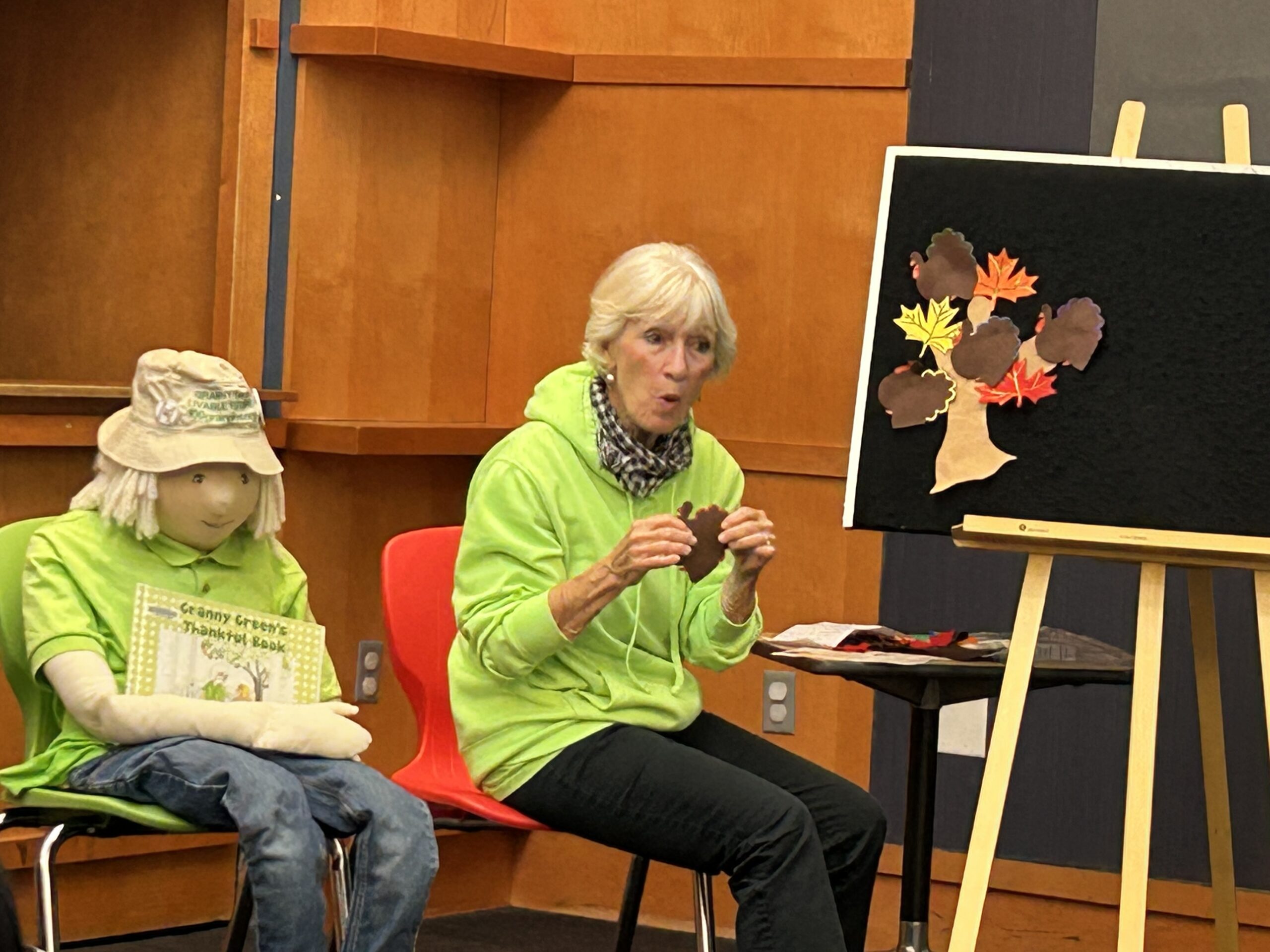
Grannies wore their green for a storytelling time at the Iowa City Public Library on November 20, 2025. Special thanks to Mari R at the library who leads us so well! Becky H showed a book up close to the children and commented that they were so sweet and a joy to be around.


Posted in Education | Comments Off on Grannies joined in Iowa City Public Library storytime

Grannies had “pride of place” leading the 2025 Pride Parade

100Grannies were given the honor of leading the 2025 Iowa City Pride Parade.  Temperatures above 90 degrees and a heat index warning didn’t stop the more than a dozen Grannies. This ‘gaggle of Grannies’ powered through to the end at the Pride Parade.


Posted in Activism | Comments Off on Grannies had “pride of place” leading the 2025 Pride Parade

Grannies participate in ChatGPT training

At the March 2025 100Grannies meeting, Deb G gave a demonstration on using ChatGPT to quickly and easily draft letters to congress representatives and senators.  She followed this by leading a full training session on April 4 at the Iowa City Senior Center.  It was a popular event and numerous Grannies participated in the training session to learn how to use the tool to also draft letters to the editor and OP eds.


Posted in Activism | Comments Off on Grannies participate in ChatGPT training

2025 Granny Book donations to the ICCSD Schools

Grannies have been donating books to the Iowa City Community School District for 15 years. Donations are welcome.


High Schools:

Not the End of the World: How We Can Be the First Generation to Build a Sustainable Planet by Hannah Ritchie (Author)

This “eye-opening and essential” book (Bill Gates) will transform how you see our biggest environmental problems—and explains how we can solve them.

It’s become common to tell kids that they’re going to die from climate change. We are constantly bombarded by doomsday headlines that tell us the soil won’t be able to support crops, fish will vanish from our oceans, and that we should reconsider having children.

But in this bold, radically hopeful book, data scientist Hannah Ritchie argues that if we zoom out, a very different picture emerges. In fact, the data shows we’ve made so much progress on these problems that we could be on track to achieve true sustainability for the first time in human history. Did you know that:

  • Carbon emissions per capita are actually down
  • Deforestation peaked back in the 1980s
  • The air we breathe now is vastly improved from centuries ago
  • And more people died from natural disasters a hundred years ago?

Packed with the latest research, practical guidance, and enlightening graphics, this book will make you rethink almost everything you’ve been told about the environment. Not the End of the World will give you the tools to understand our current crisis and make lifestyle changes that actually have an impact. Hannah cuts through the noise by outlining what works, what doesn’t, and what we urgently need to focus on so we can leave a sustainable planet for future generations.


Warming Up: How Climate Change is Changing Sport

–A GUARDIAN SPORTS BOOK OF THE YEAR 2024. by Madeleine Orr (Author)

The world of sport has a new opponent: climate change.

In recent years, a world championship marathon was held at midnight to avoid the blistering sun. Professional athletes needed oxygen tanks to play during wildfire season in California. Players collapsed and play was suspended amid the heat and bushfire smoke at the Australian Tennis open. Ski resorts in the Alps have turned into ghost towns. Golf courses are sinking into the sea. And then there’s the Qatar World Cup, among the greatest follies in sporting history, one that saw hundreds (perhaps thousands) of heat-induced deaths before a ball was even kicked.

The threat climate change poses to sport is clear, but with billions of participants and fans around the world who rely on the sector for entertainment, jobs, fitness and health, this is one industry we can’t afford to lose. In this book, Madeleine Orr shows it doesn’t have to be this way. There are ways to mitigate, and perhaps counter, even the worst elements of climate change.

A world-leading sport ecologist, Madeleine interviews athletes, coaches, politicians and thought-leaders to learn more about the inevitable consequences for this trillion-dollar industry. From the frontlines of climate change, Warming Up takes readers through a play-by-play of how global warming is already impacting sport, and how the sports world can fight back.


Middle Schools:

When Forests Burn: The Story of Wildfire in America 

by Albert Marrin (Author)

A fascinating look at the most destructive wildfires in American history, the impact of climate change, and what we’re doing right and wrong to manage forest fire, from a National Book Award finalist. Perfect for young fans of disaster stories and national history.

Wildfires have been part of the American landscape for thousands of years. Forests need fire–it’s as necessary to their well-being as soil and sunlight. But some fires burn out of control, destroying everything and everyone in their path.


Elementary Schools:

The Last Zookeeper 

by Aaron Becker (Author, Illustrator)

The Earth has flooded. The only signs of humankind are the waterlogged structures they left behind. Peeking out from the deluge are the remnants of a zoo, home to rare and endangered animals, survivors of long neglect. Tender-hearted NOA is a construction robot who’s found new purpose as the caretaker of the zoo’s beleaguered inhabitants. Bracing for the next storm, NOA builds an ark from the wreckage in search of new land and a new home, only to discover something even more profound. With boundless compassion and sweeping scenes of sea and sky punctuated by detailed wordless panels to pore over, Caldecott Honor–winning creator Aaron Beckerdelivers a timely and concrete message about the rewards of caring in even the most difficult of times that is sure to inspire the dreamers among us.


Millie Fleur’s Poison Garden 

by Christy Mandin (Author)

Garden Glen is a very bland place. Every house and every garden looks exactly like the other. That is… until Millie Fleur La Fae comes to town.

Up on a scruffy hill, beside a ramschackle house, Millie Fleur plants her marvelously strange garden, filled with Sneezing Stickyweed, Fanged Fairymoss, and Grumpy Gilliflower. Millie Fleur finds it enchanting, but the townspeople of Garden Glen call it poison!

But Millie Fleur is proud of her beloved little garden. So if some townspeople want to be sticks in the mud, she’ll take matters into her own hands and find the kindred spirits who appreciate everything the garden has to offer.


The Hidden Life of Trees: A Graphic Adaptation: (of the International Bestseller) 

by Peter Wohlleben (Author), Fred Bernard (Author), Benjamin Flao (Illustrator)

Are trees social beings? For forester Peter Wohlleben, the answer has always been yes, the forest is a social network. Trees live like human families: tree parents live together with their children, support them as they grow, share nutrients with those who are sick and struggling, and even warn each other of impending dangers.

This vibrantly illustrated graphic novel follows Peter as its loveable main character, revealing the secret network of the forest and sharing struggles and triumphs from his career protecting trees. Told in Peter’s warm, conversational voice, not unlike that of a beloved grandfather chatting fireside, this visually stunning book offers scientific insights and pearls of wisdom gained from Peter’s decades of observing forests, including how trees impact weather and climate, how they communicate with each other, and how they interact with fungal networks deep within the ground. It also offers poignant memories from Peter’s personal life.

Featuring 240 pages of full-color illustrations and text covering the entirety of The Hidden Life of Trees, this adaptation honors the spirit of the original book by seeking to change the way the world looks at trees, and will inspire generations of readers to celebrate the natural world and protect our last remaining forests before it’s too late.

Simone 

by Viet Thanh Nguyen (Author), Minnie Phan (Illustrator)

When Simone is awakened by her mom as a wildfire threatens their home, it is the beginning of a life-changing journey. On their way to take shelter in a high school gym, the family passes firefighters from a prison unit battling the fire. Simone’s mom tells her that when she was a girl in Viet Nam, she was forced to evacuate her home after a flood. Joined by other children sheltering in the gym, Simone, a budding artist, encourages everyone to draw as a way to process their situation. After a few days, Simone and her mom are able to return to their home, which is fortunately still standing, and her outlook has changed. As Simone begins creating a piece of art with one of her new friends, she realizes that even though they are young, they can dream and work together for a more sustainable future. With a poetic, haunting family story by esteemed author Viet Thanh Nguyen and gorgeous art from illustrator Minnie Phan, this powerful tale introduces an unforgettable young heroine who awakens to a new role fighting for her community and for the future of the planet.


When Beavers Flew: An Incredible True Story of Rescue and Relocation 

by Kristen Tracy (Author), Luisa Uribe (Illustrator)

In 1948, the town of McCall, Idaho was growing rapidly. World War II was over, and the little town tucked away in the mountains began to boom. There was only one problem. As the town expanded, they found beavers everywhere. A beaver here, a beaver there, and it didn’t take long to realize that humans and beavers weren’t great cohabitators. But one clever and resourceful Fish and Game Warden named Elmo Heter had an idea.

Heter knew that the beavers were integral to the wetlands, so keeping the well-being of the beavers in mind he set out to find a way to relocate them. After a few failed attempts, he finally landed on a wild idea… parachutes. Using a surplus of parachutes left over from WWII and creating a special box with air holes designed to pop open when it hit the ground, Heter devised a way to parachute the beavers into Idaho’s backcountry, an area that beavers hadn’t inhabited in decades.

Kirsten Tracy’s fascinating and playful nonfiction text pairs beautifully with Luisa Uribe’s detailed illustrations to bring this compelling true story to life.

Posted in Education | Comments Off on 2025 Granny Book donations to the ICCSD Schools

Protecting the Future of Macbride Nature Recreation Area: A Call for Continued Access

Deb G and Deb S submitted the following guest editorial to the Press Citizen, Gazette, and Des Moines Register

For over 40 years, the Macbride Nature Recreation Area (MNRA) has served as a vital resource for education, recreation, mental well-being, and environmental stewardship. This 485-acre sanctuary offers a rare and much-needed escape into nature. Now, as the University of Iowa’s review committee considers whether to extend the lease that allows continued public access to this incredible resource, we must raise our voices in support of preserving MNRA for future generations.

A Vital Educational Resource

For decades, the MNRA has served as an outdoor classroom for students, researchers, and nature enthusiasts alike. Whether it’s hosting field trips for local schools, providing hands-on learning for environmental science students, or offering research opportunities on biodiversity and ecology, MNRA is an invaluable asset to the University of Iowa and the wider community. The area’s diverse ecosystems, from woodlands to wetlands, provide real-world experiences that enhance our understanding of the environment and foster a sense of responsibility toward its preservation.

A Wonderful Site for Public Recreation

Beyond its educational importance, MNRA is a hub of recreational activity. Visitors flock to the area to hike, bike, fish, picnic, and enjoy countless other outdoor activities. The park’s miles of trails, clear waters, and abundant wildlife make it a go-to destination for families, students, and outdoor enthusiasts. The sense of peace and connection to nature that the area provides cannot be overstated—it is a rare space where people can disconnect from the stresses of modern life and experience the calming power of the natural world. As a symbol of the University of Iowa’s commitment to public service, MNRA offers something for everyone. Let us not forget the value of these communal spaces in building stronger, healthier communities.

The Importance of Nature for Child Development and Mental Health

The benefits of time spent in nature are well-documented, particularly for children and adolescents. Research consistently shows that outdoor experiences contribute to cognitive, social, and emotional development. For young people, time in nature helps foster creativity, improves concentration, and strengthens mental resilience. More than ever, our youth are facing significant mental health challenges, and opportunities to engage with the natural world can provide much-needed relief.

Preserving Environmental Stewardship

Finally, it is important to recognize the role MNRA plays in preserving Iowa’s natural heritage. As the University of Iowa considers the future of MacBride Nature Recreation Area, it is imperative that they recognize the far-reaching benefits of continued public access. The MNRA is more than just a park—it is a vital educational tool, a space for recreation, a sanctuary for mental well-being, and an irreplaceable community resource. Writing on behalf of the 100 Grannies for a Livable Future, we urge all those who cherish this unique area to voice their support by submitting comments to the University of Iowa’s review committee at MNRA-feedback@uiowa.edu by March 14.

Posted in Activism, Publicity, Steering Committee | Comments Off on Protecting the Future of Macbride Nature Recreation Area: A Call for Continued Access